Skip to content

Land of Accomplishment

India

རྒྱ་གར

The Lotus Lake of Padmasambhava's miracles and the hidden beyul of Sikkim prophesied by Guru Rinpoche.

India holds two distinct types of Vajrayana sacred sites: the places of Padmasambhava's miracles, and the hidden valleys (beyul) he prophesied as sanctuaries. At Rewalsar (Tso Pema), Padmasambhava performed one of his most famous miracles. When the king of Zahor tried to burn him alive for teaching the princess Mandarava, Guru Rinpoche transformed the flames into a lake. He sat serenely on a lotus in its center. The floating reed islands that drift across Tso Pema today are said to be remnants of that miraculous lotus. Sikkim is a different kind of sacred site — a beyul or hidden valley that Padmasambhava prophesied would open as a sanctuary during times of strife. In 1641, three lamas converged on Sikkim from three directions, fulfilling prophecy and establishing Buddhism there. Tashiding Monastery houses the Thongwa Rangdol — a stupa so powerful that merely seeing it plants seeds of liberation. Pemayangtse contains a seven-tiered model of Padmasambhava's celestial realm, Sangthokpalri.

Power Places

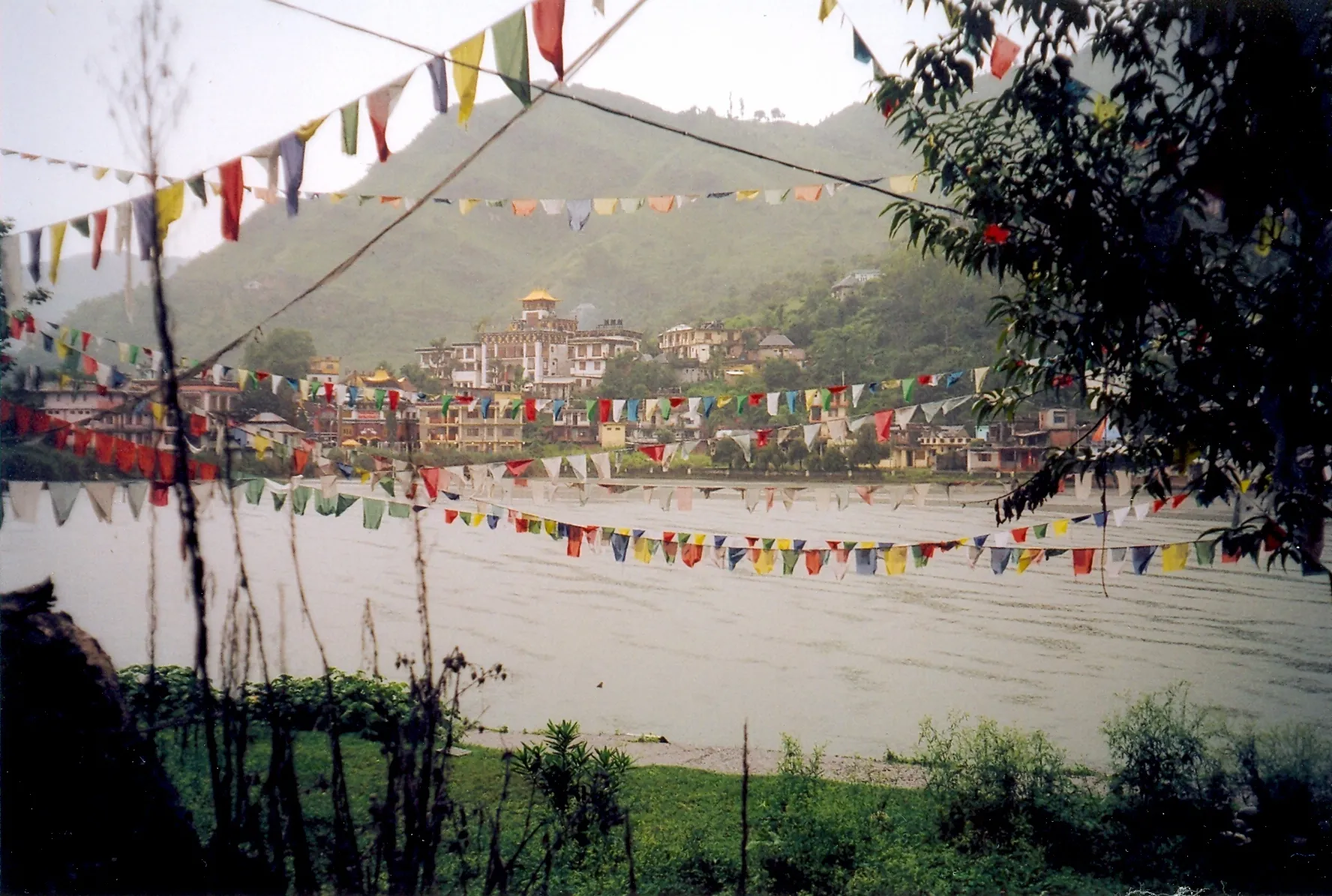
Rewalsar (Tso Pema) — the Lotus Lake of Padmasambhava's miracle

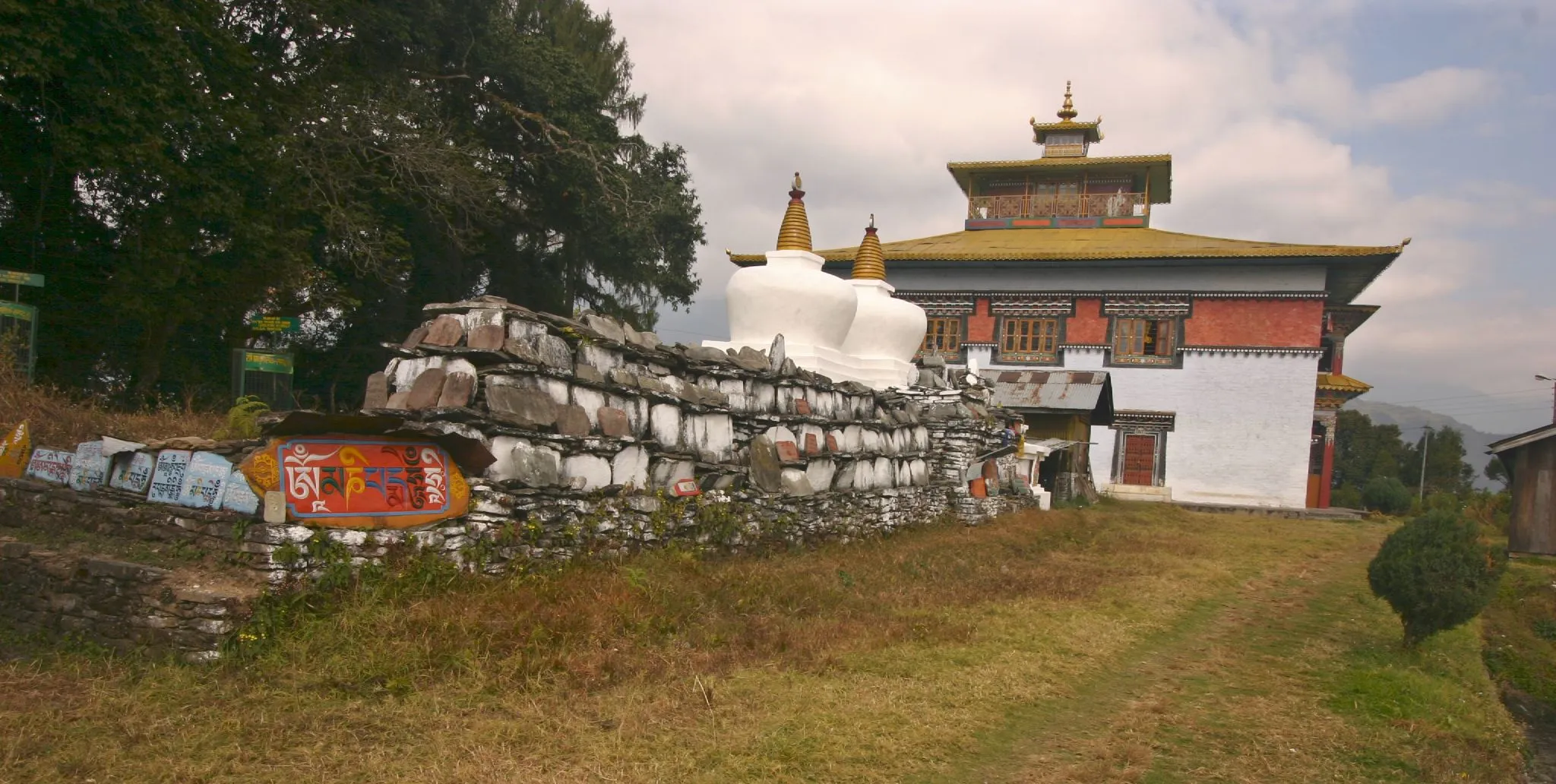
Tashiding — the Thongwa Rangdol stupa of liberation through seeing

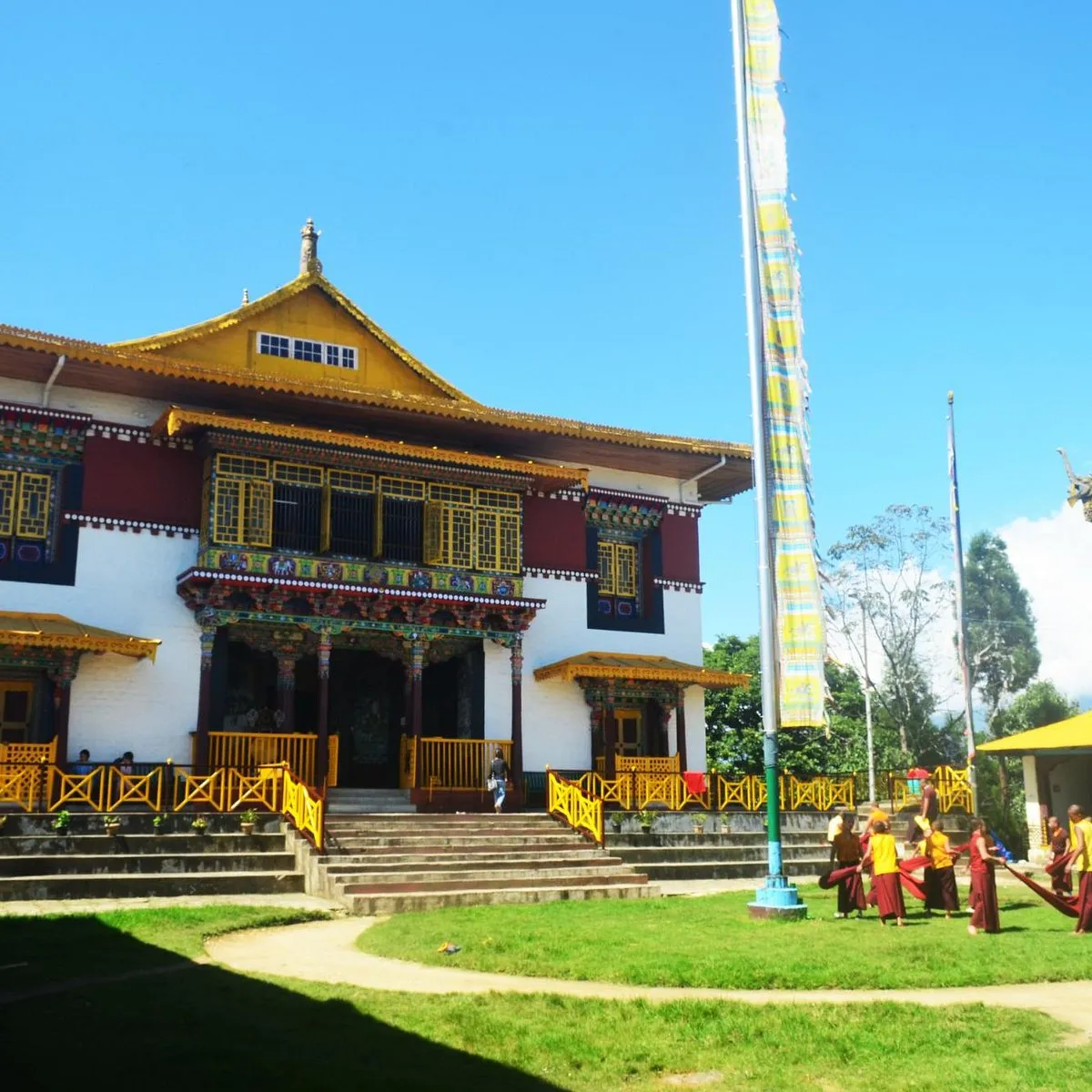
Pemayangtse — Sangthokpalri model, Nyingma seat in Sikkim

Sacred Sites in India

3 sites