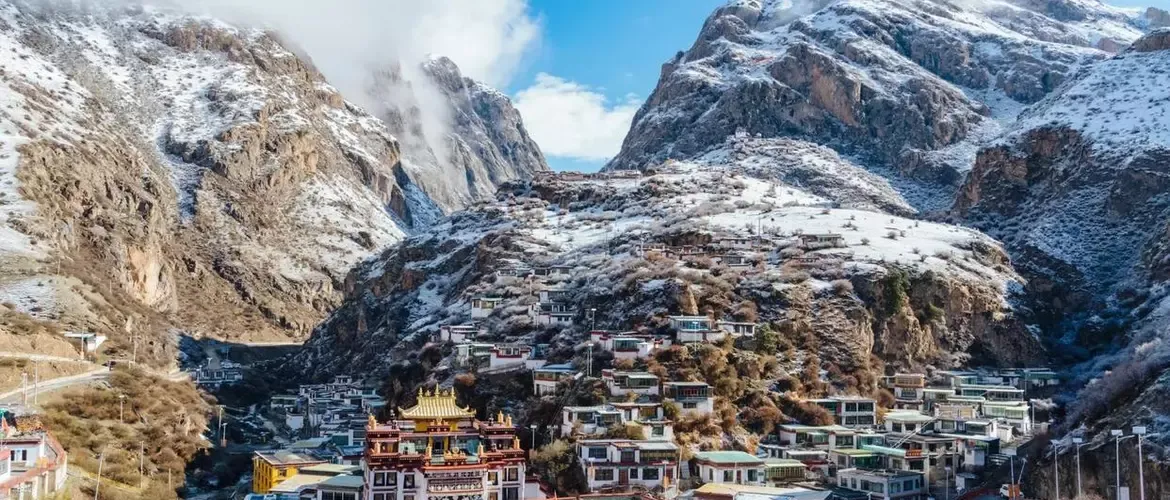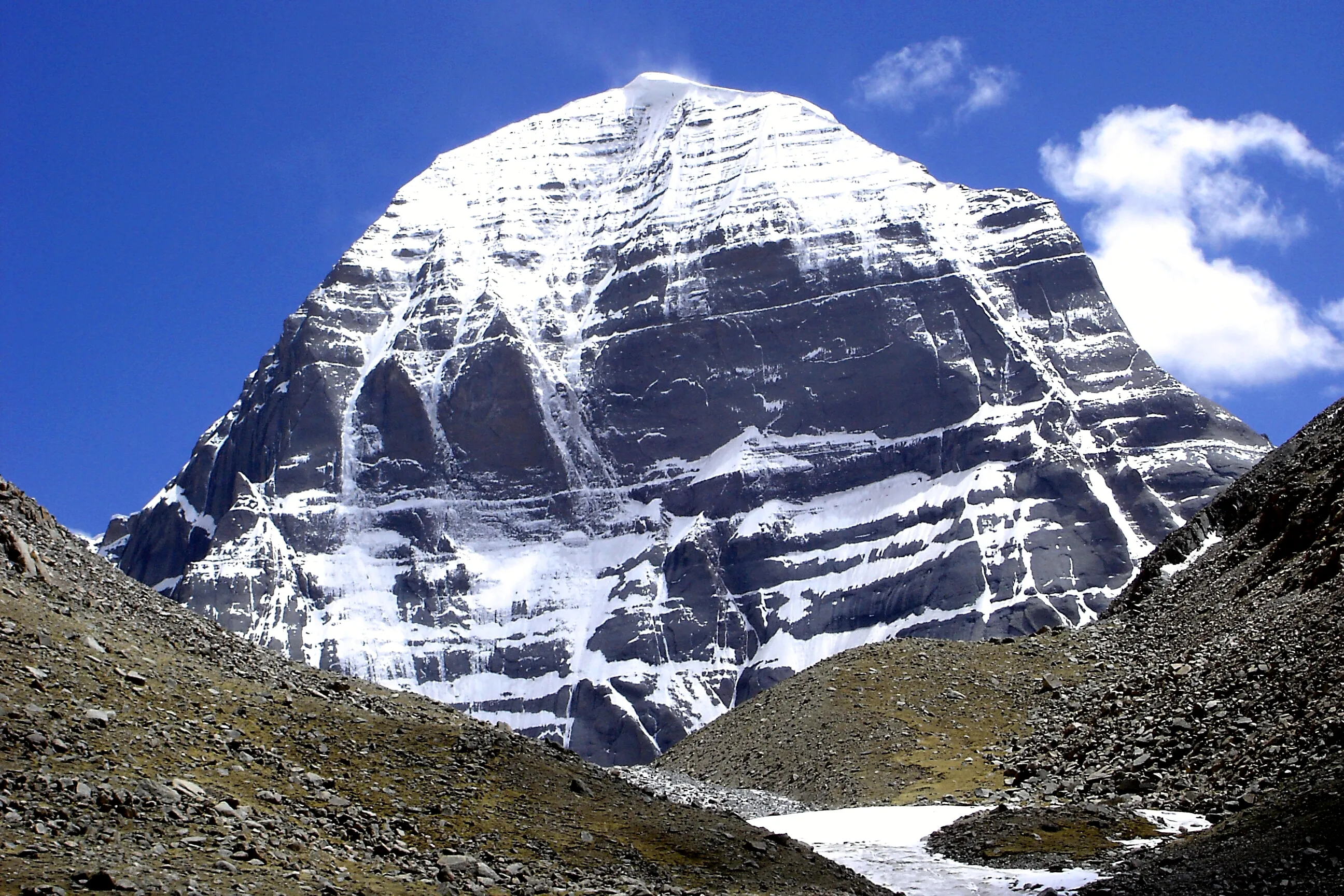
Mount Kailash
གངས་རིན་པོ་ཆེ
A mountain in far western Tibet, sacred to Buddhists, Hindus, Jains and Bönpos. Buddhists hold it to be the home of the deity Chakrasamvara. Pilgrims walk around it on a path of about 53 kilometers.
Vajrayana Pilgrimage Guide
གནས་ཆེན་རྣམས
Fourteen né, sacred places tied to Guru Rinpoche, Yeshe Tsogyal and other masters, in Tibet, Nepal, India and Bhutan. The stories are told as the tradition tells them, with sources.
A né (གནས) is a sacred place. Pilgrimage in Tibetan is nékor, going around the né. In the Vajrayana tradition, a place where a great master practiced is held to keep the blessing of that practice, and pilgrims go there to meet it.
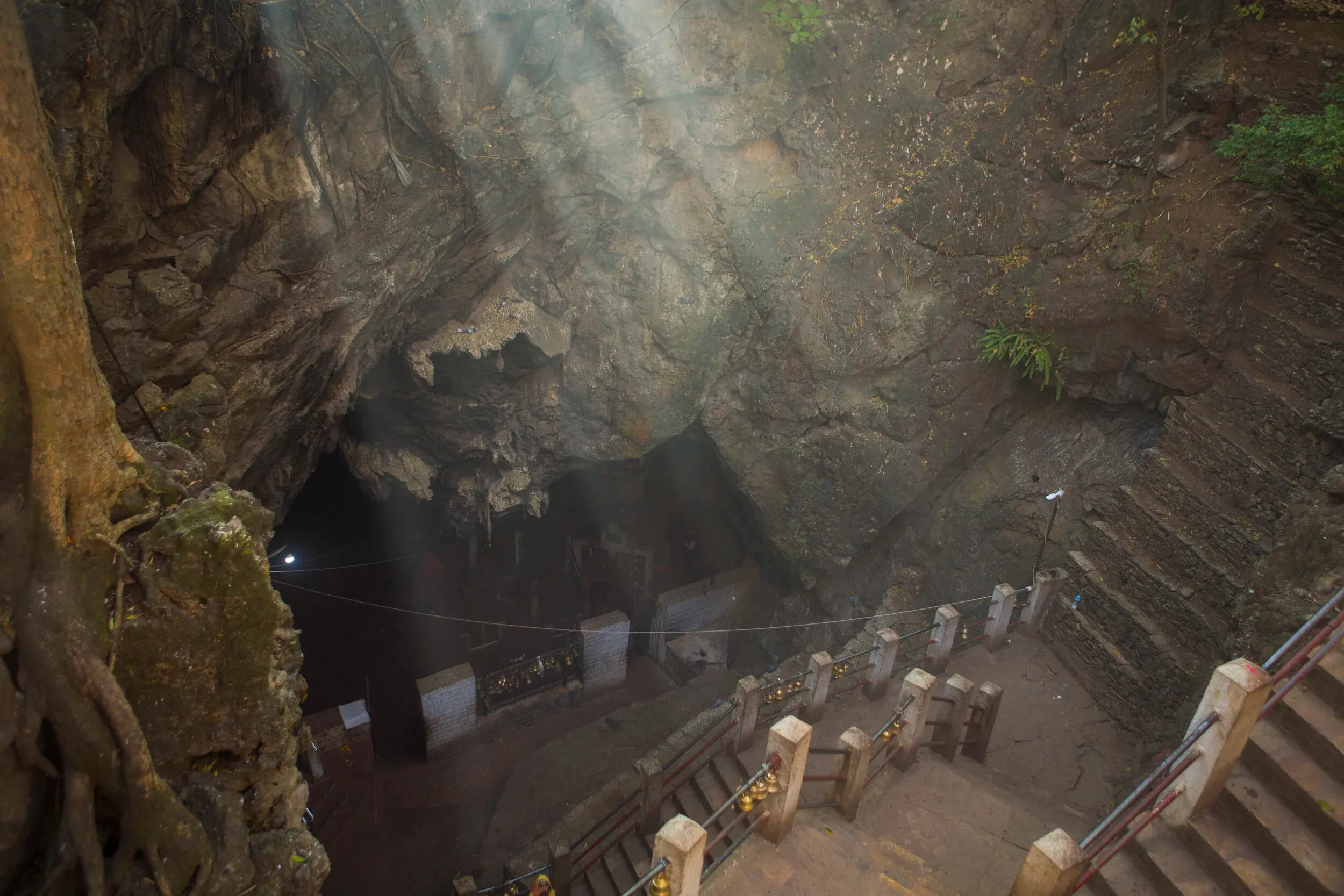
The hand imprint beside the door of the Asura cave at Pharping. The hot springs of Tidrum. The body print in the cave at Kurje. This guide tells the story of each place the way the tradition tells it, says where history can and cannot confirm it, and lists its sources.
Power Places
Explore by Region
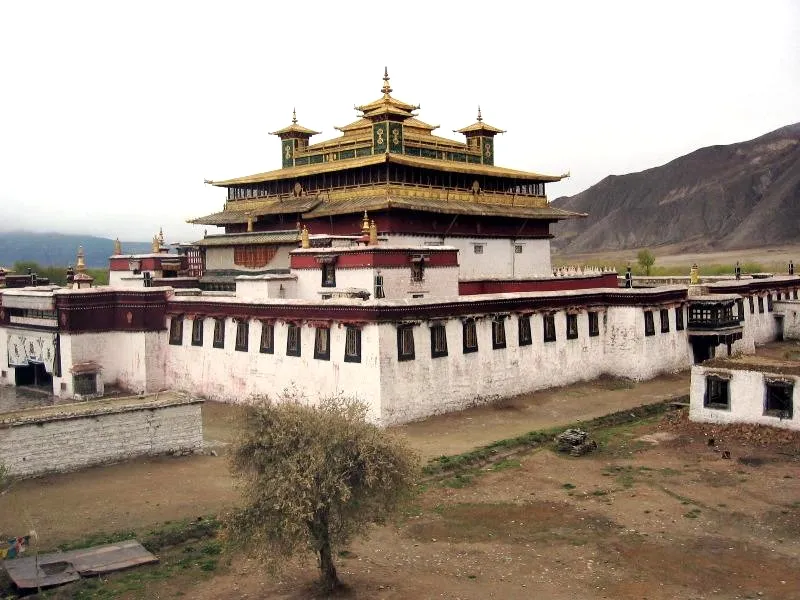
Mount Kailash and Lake Manasarovar in the west. Samye, the Chimpu caves, Drak Yerpa and Tidrum in central Tibet.
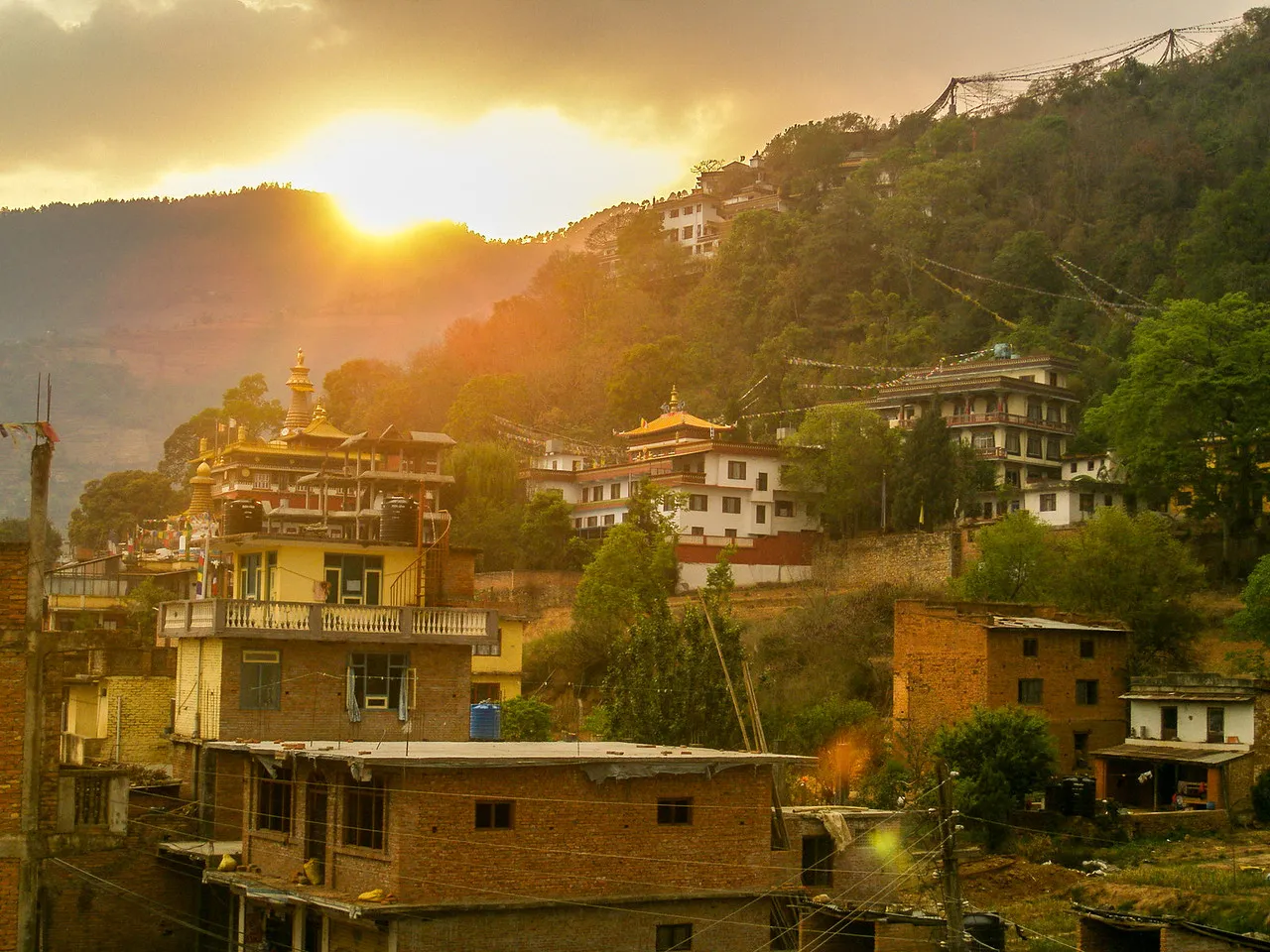
The caves of Pharping and Maratika, tied to Padmasambhava, and the temple of Muktinath in Mustang.
Tso Pema, the Lotus Lake at Rewalsar, and Tashiding and Pemayangtse in the hidden land of Sikkim.
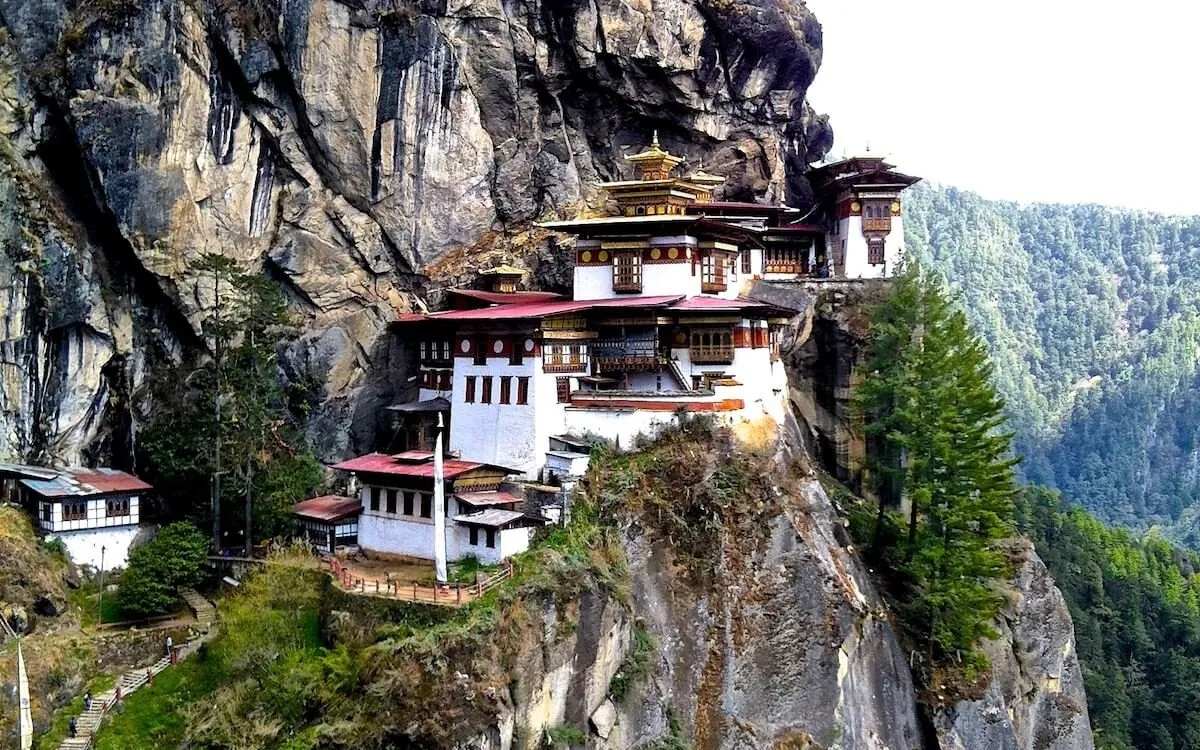
Paro Taktsang, the Tiger's Nest, and Kurje in Bumthang, named for the body print in its cave.
On the map
From Mount Kailash in the west to Kurje in Bumthang. Each pin opens the page for that place.
Related: Roads of the Masters, a map of the journeys of the masters and translators.
For each né the guide gives the story, the masters and practices tied to it, and practical notes for anyone planning to go. Permits and rules change, so check before you travel.